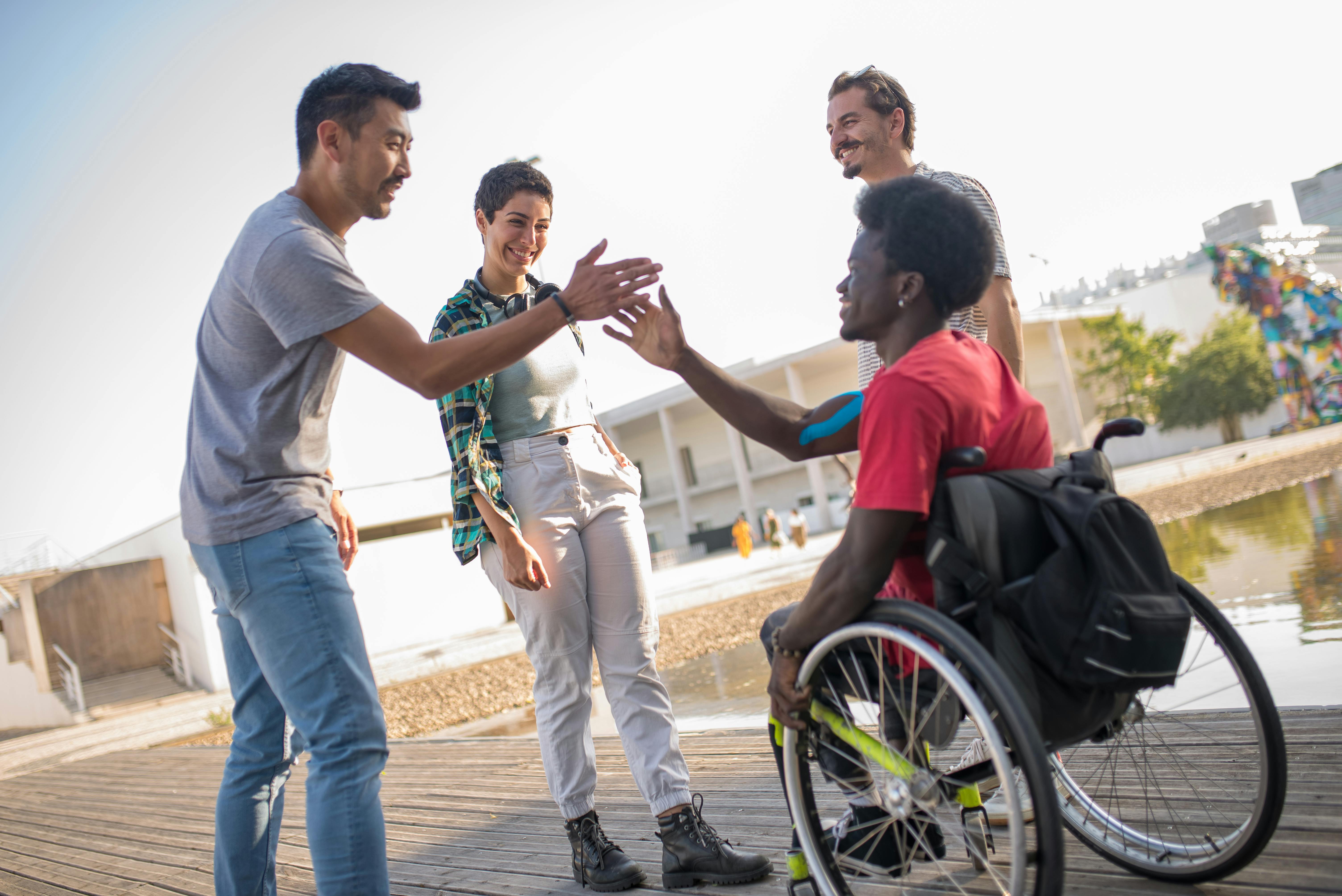
I want to tell you about my friend Tom. He has a disability. From 4 years his mum did everything for him. She cooked his meals. She did his washing. She went with him to the shops. Tom never learned to do any of these things.
Then Tom got an NDIS plan. Someone told him about life skills development in Melbourne. He was not sure at first. It sounded like school.. He gave it a go.
The first thing he learned was how to make toast. It sounds simple. Tom had never used a toaster by himself. His support worker stood next to him. Showed him how to plug it in push the button and wait for the toast to pop up. Tom burned the two pieces. They laughed about it. The third piece was perfect. Tom put butter on it. Ate it. He said it was the toast he ever had.
That was two years ago. Now Tom makes his breakfast every day. He also learned to catch the 82 tram from Footscray to Highpoint. He learned to pay with his money. He learned to call his mum of waiting for her to call him.
None of this happened overnight.. It happened. That is what life skills development in Melbourne is about.
So what is life skills development?
- It is help to learn the stuff
- The stuff you need to live on your own or with less help
Things like cooking, cleaning, shopping catching transport using money telling time talking to people and taking care of yourself.
The NDIS pays for this if you have Capacity Building funding in your plan. You can use it to work with a support worker one on one.. You can join a group program with other people.
The main point is not to have someone do things for you forever. The point is to learn so you can do them yourself.
Melbourne is a place for this.
- Melbourne is big
- We have trains, trams, buses
- We have shopping centres and small local shops
- We have libraries and pools and parks
Learning to get around this city on your own is a deal.. It is possible.
There are also providers here. Big. Small ones.. Not registered. You can find someone who works the way you like.
The western suburbs like Footscray, Sunshine and Werribee have a lot of options. The east has plenty too. You just need to know where to look.
You can learn to do things.
- You can learn to cook meals
- You can learn to clean your room or your house
- You can learn to use money
- You can learn to catch a train or a tram
- You can learn to talk to people
- You can learn to manage your time
You can learn to cook meals like pasta, eggs, a sandwich. Maybe a stir fry if you are feeling fancy. You learn about food safety too. Like not leaving chicken on the bench all day.
You can learn to clean your room or your house. Vacuuming, wiping benches doing laundry. One person I know learned to fold fitted sheets. She said that was harder than anything
You can learn to use money. How much things cost. How to check if you have enough before you buy. How to save for something you really want.
You can learn to catch a train or a tram. How to read a timetable. What to do if you miss your stop. How to ask someone for help without getting scared.
You can learn to talk to people. How to start a conversation. How to say no. How to tell someone they hurt your feelings without yelling.
You can learn to manage your time. How to get up on time. How to get to an appointment without rushing. How to plan your day so you do not forget things.
There are quite a few places in Melbourne where you can get help.
- My Holistic Care is one provider
- Australia Disability Services runs life skills programs too
- VMCH has group programs in Mount Waverley, Wantirna and Sunshine
- Harmony House runs day programs across Melbourne
- Accord Disability Services has campuses in Greensborough, Glenroy and Sydenham
- For adults Aspect has a centre at Victoria University in St Albans
- There is also a place called All Things in the south-east
To start you need to check your NDIS plan. Look for Capacity Building. Look for a category called Improved Daily Living. That is the one you use for life skills development.
If you do not have that funding ask for it at your plan review. Tell them you want to learn to do things on your own. Be specific. Say I want to learn to cook dinner so I do not have to rely on my mum.. I want to learn to catch the bus so I can go to the library by myself.
Once you have the funding you can start looking for a provider. Call a few. Ask if they do a trial. Most will say yes.
When you meet the support worker for the time see how you feel. Do they listen? Do they go fast or too slow? Do they make you feel bad for not knowing something? If something feels off try someone. There are plenty of ones.
Here are a few tips that actually help.
- Start with one thing
- Be patient with yourself
- Ask for help when you are stuck
- Celebrate the wins
My friend Sarah lives in Sunshine. She is in her thirties. She never learned to use a washing machine. Her support worker spent three weeks on laundry. Sorting colours from whites. Putting the amount of powder in. Hanging things up so they do not get wrinkly.
Sarah was embarrassed at first. A grown woman who cannot do laundry.. Her worker never made her feel bad. She just kept showing up and teaching.
Now Sarah does laundry for her house. She even taught her sister how to do it. She told me she feels proud every time she pulls clothes off the line.
That is the thing about life skills development. They are not just about being independent. They are about feeling good about yourself.
What if you do not have NDIS funding?
- There are community programs that're cheap or free
- Your local library might run a money management class
- Your local community centre might have a cooking group
- Ask around
Some organisations like the Brotherhood of St Laurence and Neighbourhood Houses run programs for people with disability. They do not always need NDIS funding.
Also look for videos. YouTube has a video for everything. How to boil an egg. How to tie your shoelaces. How to ask for a date. Someone has made a video about it.
Life skills development is not about becoming perfect. It is about becoming more able. Able to choose. Able to try. Able to do things your way.
Melbourne has much to offer. Good food, good trams, people. Learning to be part of that on your terms is worth the effort.
Start small. Be kind, to yourself.. Remember Tom from the start of this story. He burned two pieces of toast before he got it right. Now he eats breakfast by himself every day. That is a life.
📍 Horizon Care Support — helping you build independence through life skills development in Melbourne.