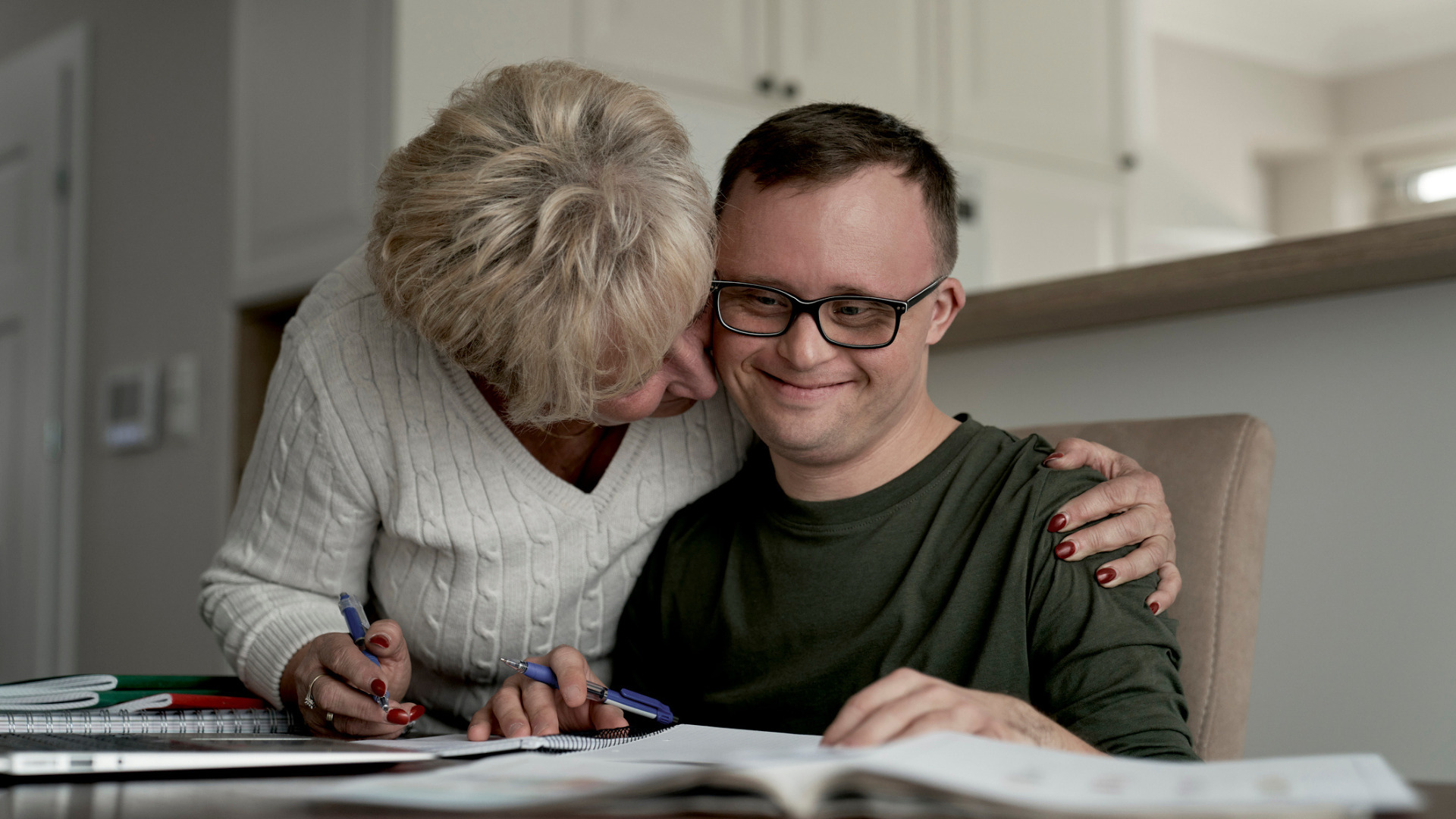
Let me start with a story.
My friend Maria takes care of her adult son time. She loves him more than anything.. She was really tired. She hadn't slept through the night in years. She couldn't remember the time she went out for dinner or just sat down to read a book.
Someone told her about short term accommodation through the NDIS. At first she didn't get it. She thought it meant putting her son in some kind of facility. That scared her.. She looked into it anyway.
It turns out short term accommodation is not like that. It's a stay in a supported home. Someone else looks after your loved one for a days. You get a break. They get to try things and meet new people.
Maria booked her son in for a weekend. She was nervous. The night she called the provider three times to check on him. He was fine. He was having fun. They went to the park. They made pizza. He barely noticed she was gone.
Maria slept. Really slept. For the time in years she woke up feeling like herself again.
That's what short term accommodation can do.
So what is short term accommodation anyway?
Short term accommodation is what it sounds like. It's a place to stay for a time when you can't stay at home. The NDIS used to call it STA. Now they call it short term respite. Same thing. New name.
You stay else for up to fourteen days at a time. You get support while you're there. Personal care, meals, activities help with whatever you need. The staff look after you so your family or carers can have a break.
The NDIS usually funds up to twenty eight days per year. That sounds like a lot. You can spread it out. One weekend a month. A block of ten days. Whatever works for you.
Some people use it because their carer needs a rest. Others use it to learn skills or meet new people. Some use it to test out what living else might feel like. All of that is okay.
What changed recently
The NDIS changed the rules not ago. Short term accommodation is now officially called short term respite. That name change matters because it reminds everyone what this support is for. A break. A rest. Time apart.
The rules got a bit stricter too. To qualify now you usually need to live with your carers.. You need regular support for more than six hours a day. The NDIS wants to make sure this funding goes to people who truly need a break not just anyone who wants a holiday.
Some people who used to get this funding might not qualify anymore. People who live alone or already have paid support around the clock. That has been hard for some families.. For most people who live with family carers the funding is still there.
What is included and what is not
When you go for short term accommodation the package includes a things. Your accommodation. All your meals. Personal. Help with daily tasks. Activities that you and the provider agree on. The staff are there twenty four seven.
Here's something important to understand. Short term accommodation is not a holiday. The NDIS will not pay for you to go on a cruise or an overseas trip. They will not pay for you to stay in a hotel for fun. The stay has to be linked to your disability needs. It has to give your carers a break or help you build skills.
That does not mean you can't enjoy yourself. You can. Many providers plan fun activities. Day trips. Art classes. Movie nights.. The reason for the funding has to be genuine.
Who can get it
The new rules changed this quite a bit. For adults short term respite is generally available if you live with your carers and receive regular support for more than six hours a day. On top of that least one of the following usually needs to apply. You need high intensity supports.. You have complex behavioural needs.. Your carers are at risk of burning out.. You live somewhere where in-home supports are hard to find.
For children the rules are a bit different. Short term respite is available in circumstances. For example if the child needs than six hours of support a day and the family is struggling to keep up. This can include families with children who have disabilities or other health issues.
The NDIS usually funds up to twenty eight days per year. You can use it in blocks of up to fourteen days at a time. Some people use it as one weekend a month. Others use it as two weeks once a year. The flexibility is good.
How funding works
Short term accommodation comes out of your Core Supports budget. That is the part of your plan. You do not need a line item for it. If you have funding in Core you can use it for short term stays.
The NDIS pays rates for this support. Generally they fund a group price meaning you share supports with people.. If you need one-on-one support because of your disability you can request that. You will just need to provide evidence to show why you need it.
The rates change depending on the day. Weekdays are cheaper. Saturdays cost more. Sundays and public holidays cost the most. For 2025 one-on-one support on a weekday was around $1,775 per day. Saturday was $2,260. Sunday around $2,860. Public holidays around $3,450. These numbers change each year so check the price guide.
How to find a provider
Start by looking at the NDIS provider directory on their website. That gives you a list of registered providers in your area.
If you have a support coordinator ask them for help. They usually know which providers are good and which to avoid. They can also handle the booking and paperwork for you.
You can also search online. Try something like NDIS short term accommodation Melbourne or disability respite near me. Read reviews. Look for providers that mention your needs.
If you are in Melbourne there are quite a few options. UinCare Support offers term accommodation across Melbourne. Jovial Healthcare is another one, based in Melbourne with stays funded through your Core Supports budget up to twenty eight days per year. Ability Assist in Melbourne also provides short term respite care accommodation.
If you are in Sydney Sunnyfield has respite houses in Maroubra, Greenacre, Caringbah and Ashfield. They have twenty four seven support, accessible homes, meals and fun activities. Sargood On Collaroy is a purpose-built facility for people with cord injury right on the beach.
What to look for in a provider
Don't just pick the name you see. Visit the place if you can. Ask questions. See how it feels.
Ask about the staff. Are they there all the time? Do they have training for your needs? What happens if something goes wrong at two in the morning?
Ask about the room. Is it accessible? Is it private or shared? Can you bring your things to make it feel like home?
Ask about the food. Do they cater to needs? Can you bring your snacks if you want?
Ask about activities. What do people actually do during the day? Can you choose to do nothing if you're tired?
A good provider will answer all of this happily. A bad one will get annoyed or vague. Trust your gut.
How to prepare for a stay
Packing for short term accommodation is different from packing for a holiday. You need things.
Bring your documents. Your NDIS plan summary. A list of medications with timings. Any medical. Allergies. Emergency contact numbers. The staff need this information to keep you safe.
Bring clothes for the whole stay plus a few extras. Pyjamas, comfortable shoes, weather-appropriate gear. Bring toiletries you are used to. Familiar things help you feel calm in a place.
Bring comfort items. A favourite. Blanket. Noise-cancelling headphones if you need quiet. Books or sketch pads. Fidget. Weighted items if they help you. These small things can make a difference.
Don't bring jewellery or anything fragile. It can get. Broken.
Also talk to the provider before you go. Tell them about your routines. What time you wake up. What you like for breakfast. Any. Things that bother you. The more they know the better they can look after you.
What actually happens during a stay
Every provider runs things a bit differently.. Most follow a similar daily pattern.
In the morning staff help you get up and get ready. You eat breakfast together. Then there are activities. Maybe a trip to the shops. Maybe. Games. Maybe just quiet time if that is what you need. Lunch is served. Afternoon activities continue. Dinner. Evening wind down. Help with showering and getting ready for bed.
A good provider lets you choose. If you want to join every activity. If you want to sit in your room and read, also great. The support is there for you, not the way around.
Staff check in with your family too. They might send updates or photos. That helps everyone feel reassured.
Tips from people who have done it
Talk to the provider before you book anything. Visit the place if you can. Meet the staff. Ask all your questions. If something feels wrong trust that feeling.
Start small. Don't book a two-week stay, for your time. Try one night.. A weekend. See how it feels. Then you can do longer time.
Involve the person in the planning. Ask them what they want to do. What are they worried about? What would make them feel better? When people have a say they usually settle in faster.
Pack things that feel like home. Their own pillow. Their favourite mug. Cozy pyjamas. Little things that remind them of home.
Be kind to yourself. The first night can be tough. That is normal. Most people start to feel better by day two.
A story that shows why this matters
I know a family in Werribee. The mum dad and their daughter need a lot of support. The daughter is twenty-two now. For twenty-two years her parents never had a night off together. Not one.
They love their daughter.. They were very tired. Their relationship was suffering. They had no energy for anything
Someone told them about short-term accommodation. They were scared at first. The daughter had never stayed anywhere without them.. They decided to try one weekend.
The night they did not know what to do. They went to a movie. Then dinner. Just the two of them. They sat there holding hands. The mum cried a little. She was happy.
The daughter had a time. She went to the zoo. Made a friend. Ate pizza for breakfast. When her parents picked her up on Sunday she asked when she could go back.
Now they book one weekend every two months. The parents get to spend time. The daughter gets to have adventures and make friends. Everyone is happy.
Some final thoughts
Short-term accommodation is not for everyone. Some people do not want to stay from home. Some families do not need a break. That is okay.
If you are tired. If you have not slept through the night in a time. If your relationship is suffering because caring is so hard. Then this support might change your life.
It is not selfish to take a break. It is an idea. Carers who get rest are carers. People who get experiences often feel more confident. Everyone benefits.
Talk to your support coordinator. Check your NDIS plan. See if you have funding for short-term accommodation. If you do not ask for it at your plan review. Tell them why you need it. Tell them about the tiredness. The stress. The hope, for something.
📍 Horizon Care Support — helping you navigate NDIS short term accommodation (respite) with real stories and practical advice.